
Applying for a partner visa in Australia can feel straightforward on paper. Still, in real life, it is often the small, avoidable mistakes that add months to your wait or even a visa refusal.
This guide explains the most common errors that slow partner visa applications in Australia. It shows how to prevent them with clear, practical steps. Whether you apply onshore or offshore, married or de facto, you will leave with a simple checklist.
It will help you lodge a cleaner application and reduce delays.
The Australian partner visa program is generally a two-stage process. You apply first for a temporary visa.
Later, you can move to a permanent visa.
This depends on meeting the partner visa requirements in Australia. The most common pathways are:
While each case is different, delays usually happen when the application does not clearly show the relationship. Delays can also occur if the information is inconsistent. Delays may also occur if key documents are missing. Case officers need these documents to make a decision.
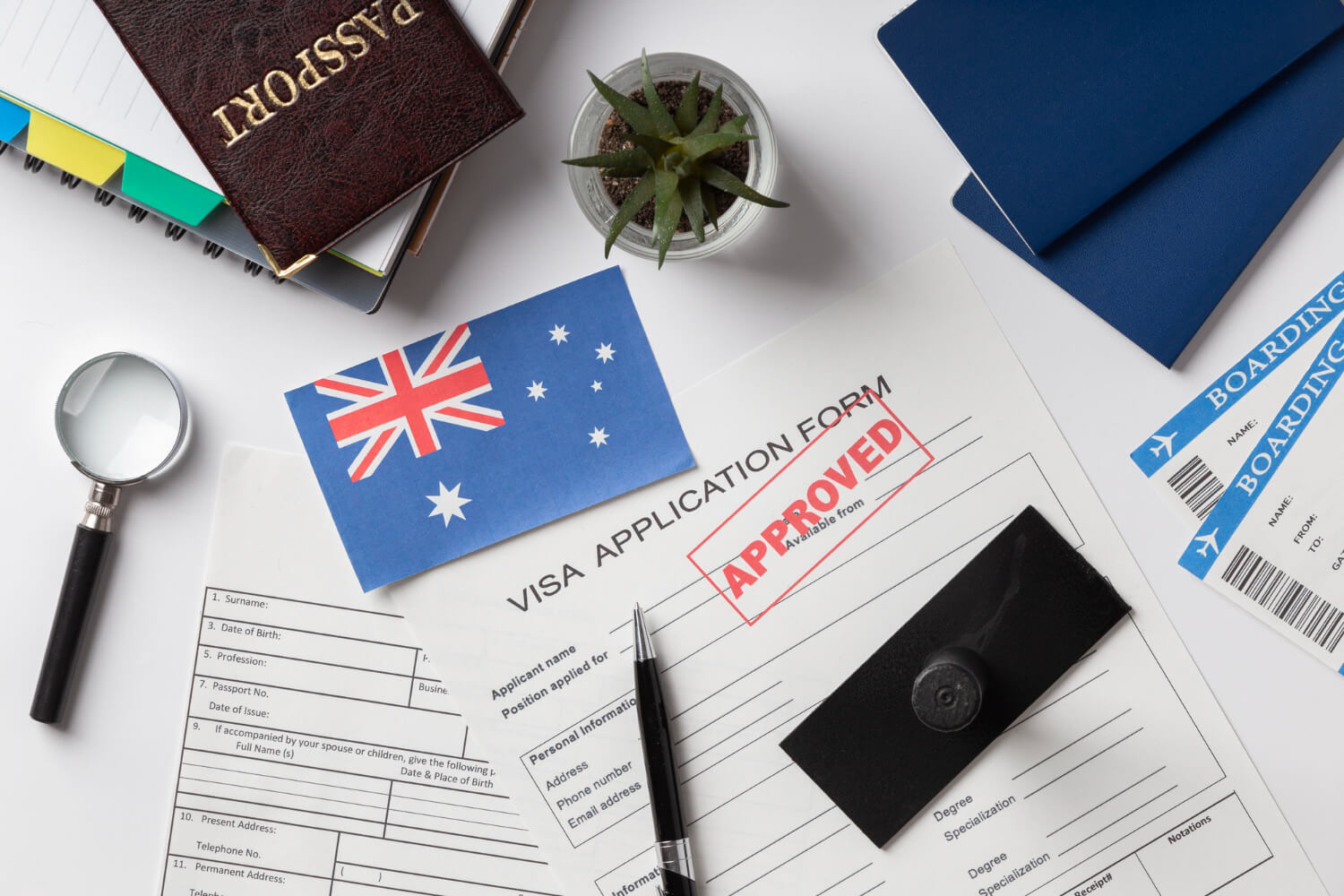
One of the biggest causes of delay is lodging with gaps. People often think they can upload the rest later. Sometimes you can, but a case officer may set your file aside until it is complete. They may also ask for more information. This can add time to the processing of a partner visa in Australia.
What to do instead:
A relationship statement is not just a romantic story. A structured explanation helps meet the requirements for a partner visa in Australia. A common issue is copying a relationship statement from an Australia-style partner visa sample template.
Many people do not tailor it to their real timeline and evidence. Generic statements can prompt additional questions because they do not align with the documents.
A strong statement should:
Many delays occur because information does not align. A single mismatch, like different move-in dates on forms or an address gap, can trigger clarification requests. It can also slow processing for Australian partner visa applications.
Common timeline problems include:
Fix it by writing a simple relationship timeline. Check every date in your forms and evidence before you apply for an Australian partner visa.
More is not always better. Many applicants upload hundreds of photos but forget documents that prove shared responsibilities. Case officers typically want balanced evidence across all relationship aspects, not just social proof.
Evidence area | Good examples | Common mistake |
| Financial | Joint bank statements, shared bills, shared savings goals | Only screenshots or cash transfers with no context |
| Household | Lease, utilities, shared address mail, chores, and routines explained | No proof of living together for de facto partner visa Australia cases |
| Social | Photos with family and friends, invitations, travel bookings, statements from others | Only selfies or photos with no dates or captions |
| Commitment | Plans, communication history when apart, key decisions made together | Statements that feel vague or do not match real-life evidence |
Choosing the wrong pathway or misunderstanding conditions can lead to delays or complications. For example, switching from a tourist visa to a partner visa in Australia is possible. Still, you need to understand the timing, lawful stay, and any visa conditions that could affect lodging.
Pathway | Typical scenario | Common delay trigger |
| Temporary partner visa Australia (820) then 801 | The applicant is in Australia when applying | Assuming a tourist visa to a partner visa in Australia change is always simple without checking conditions. |
| Partner visa Australia offshore (309) then 100 | Applicant applies while outside Australia | Not planning for travel, evidence uploads, and communication while living apart. |
People focus heavily on the applicant and forget the sponsor side. Sponsor forms, identity documents, and past sponsorship history matter. Missing sponsor documents can delay the assessment. This is common when there are questions about eligibility for an Australian partner visa.
Double-check sponsor items early:
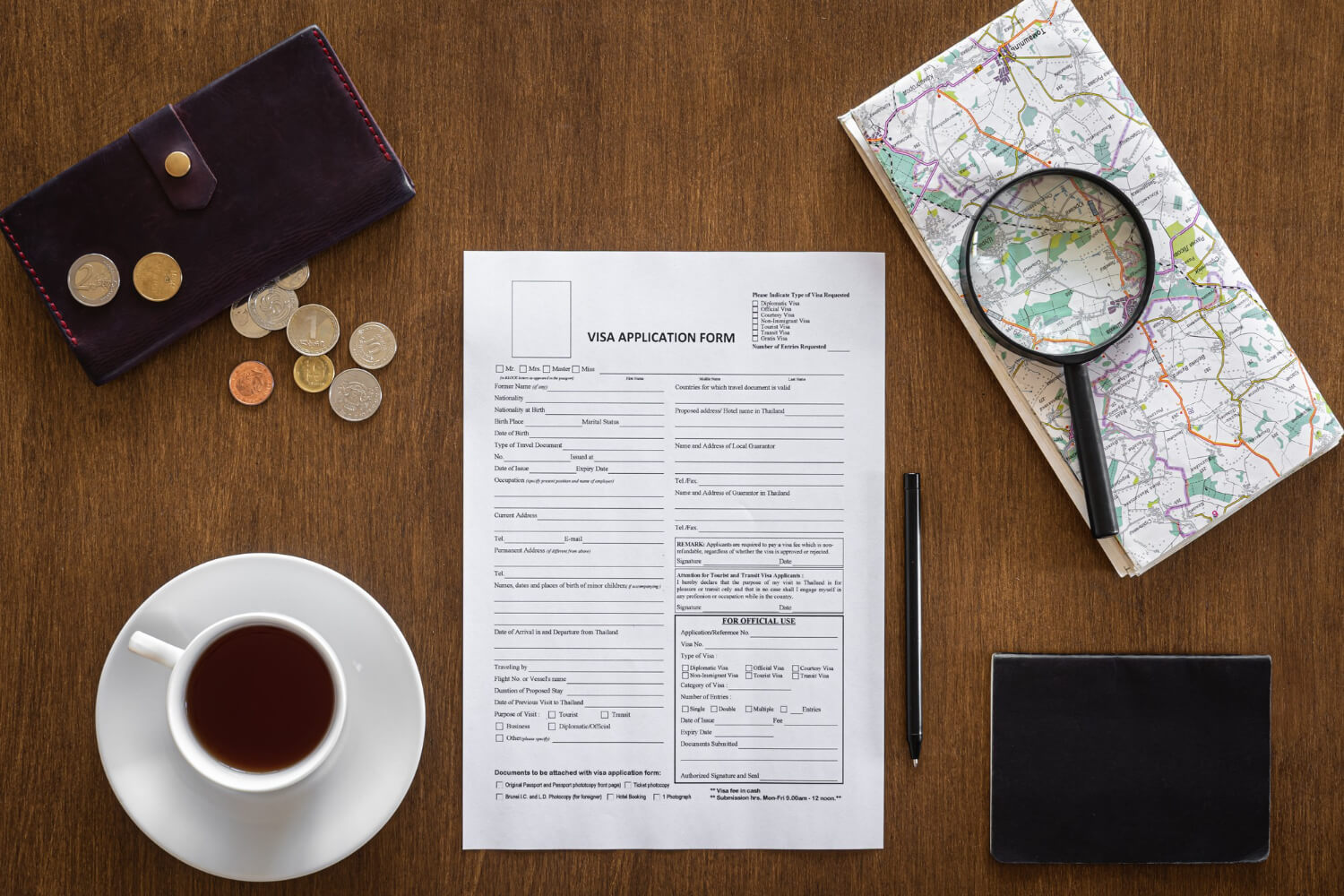
Case officers review thousands of applications. If your uploads are messy, rotated, unclear, or duplicated, it increases the chance of a request for more information. This can delay processing of partner visas in Australia, even when your relationship is genuine.
Simple presentation fixes:
Cost issues can create delays if payments fail, the wrong amount is paid, or applicants misunderstand what is included. Government fees may change. You may also pay extra costs. These can include health checks, police checks, translations, and document certifications.
Many people search for “how much is a partner visa Australia” or “partner visa Australia cost.” They often assume one figure covers everything. This can leave them caught off guard.
To avoid fee-related delays:
Police checks and medicals are often time-sensitive. If you do them too early, they can expire before you make the decision. Doing them too late can delay finalisation. This is one of the hidden reasons why the Australian partner visa processing time can vary widely.
A practical approach is to prepare early. For example, learn which countries need checks. Then complete everything when guidance fits your case.
Also Read: Why Are Visitor Visas From Some Countries Harder To Get?
If a case officer requests more information, delays can snowball if you respond slowly or upload unclear answers. Responses should be direct, organised, and evidence-backed. If you explain a gap, provide a short statement and supporting documents, not a long emotional message.
Australia’s partner visa serves the spouse or de facto partner of an eligible sponsor. In most cases, you first receive a temporary visa (such as the 820 or 309). Later, if the relationship is ongoing and you still meet the requirements for a partner visa Australia, you may be assessed for the permanent stage (such as the 801 or 100). The key point is that you are not proving your relationship once. You are proving it clearly at the start, and then showing it remains genuine over time. Keeping your evidence and timeline organised from day one makes the later stage smoother.
Many people ask, “How much is a partner visa Australia?” because the government application fee is significant. Beyond the partner visa Australia fee itself, you should plan for additional costs that often apply in real applications. These may include police checks from Australia and other countries you have lived in. They may also include health exams and translations for non-English documents. You may also need to pay for evidence preparation, such as required certifications. Because partner visa fees in Australia and government charges can change, treat any online figure as a guide. Build a buffer into your budget. This helps stop last-minute fee problems that could delay your lodgement.
For a de facto partner visa application in Australia, you should show a genuine, ongoing relationship. You should also show that you have lived together. Or, show you are in a committed partnership recognised in practice. The biggest mistake is relying solely on photos and messages. De facto evidence often needs strong proof of living and finances. This can include a shared lease or living arrangements. It can also include shared bills, joint bank accounts, or shared expenses. You should also clearly explain how you manage your lives together. If you have spent time apart, you need to explain why and show the relationship continued through that period with consistent contact and plans.
The main difference is where the applicant is when applying and where they may need to be for certain steps. The onshore pathway, known as the Partner Visa Australia 820/801 route, suits people who are in Australia when they apply. The offshore pathway, also called the partner visa Australia offshore, includes the 309 and 100 stages. Both require evidence across the same relationship areas, but practical planning differs. Offshore applicants should carefully document how they maintain the relationship across distance. Onshore applicants should manage their lawful stay and visa conditions when moving to a partner visa.
Partner visa processing time in Australia can vary. Each case is assessed based on evidence quality and complexity. Extra checks may also be needed. Applications with unclear timelines, missing documents, inconsistent forms, or weak relationship explanations often trigger more information requests. This can add months. Processing times for an Australian partner visa can vary. This depends on changes in personal circumstances, health or character checks, and how quickly an applicant responds to requests. The best way to reduce delays is to submit a complete, consistent application. Keep your evidence organised so any follow-up is fast and clear.
Most partner visa delays are not about the relationship itself. They are about clarity, consistency, and proof. If you treat the partner visa Australia checklist seriously, build a simple timeline, balance your evidence, and present documents neatly, you reduce the chance of back-and-forth requests that extend processing time.
At AVMS, we often see that the strongest applications are not the longest. They tell a clear story and include the right documents. Use the mistakes above as a quality check before you lodge.
This will give your application the best chance to move forward without avoidable delays.
Google Map Link: https://maps.app.goo.gl/CK3186u9LeozZAfB7
Instagram Link: https://www.instagram.com/peter_rozsy/
Facebook Link: https://www.facebook.com/PeterRozsyMigration
LinkedIn Link: https://www.linkedin.com/in/peter-rozsy-55646417/
